 TIME TRAVELS HUB
Academic journal
HISTORY
TIME TRAVELS HUB · Academic journal
HISTORY
Historical inquiry, archaeology and the study of human cultures, material heritage and the human past.
Subjects & subdisciplines
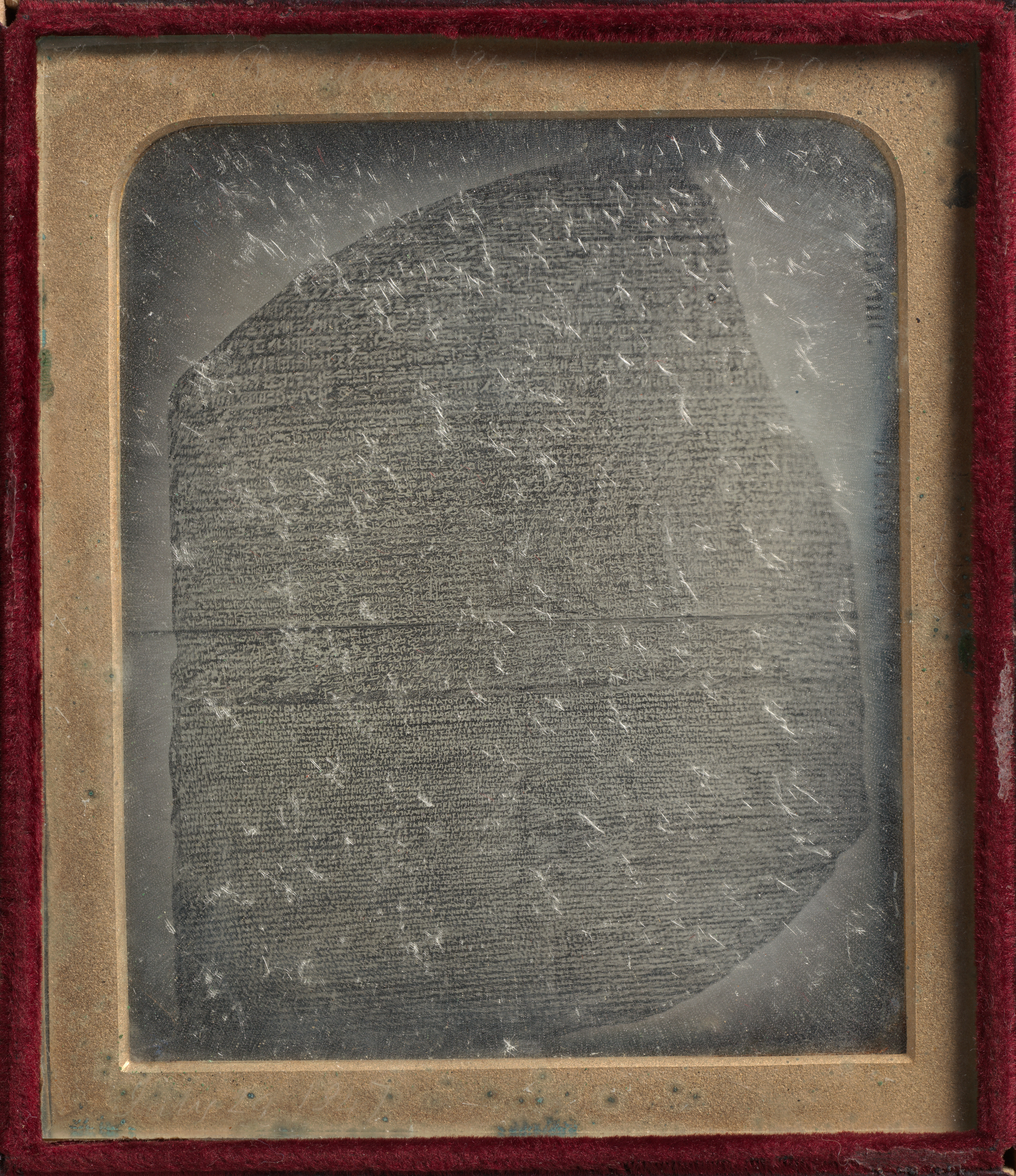
[Copy of the Rosetta Stone] · 1846–52
John Jabez Edwin Mayall. The Metropolitan Museum of Art, Gift of Dan Moyer and Oliver Lott, 2019. Accession 2019.304.2.
Public domain · The Met Open Access (CC0) · Source recordResearch archive
5 publicationsShowing 1–5 of 5
Remote Sensing and the Detection of Buried Settlement Patterns
By Time Travels Hub Research Office
This editorial demonstration paper examines remote sensing and the detection of buried settlement patterns as a contemporary question within Archaeology. The study sets out the conceptual background to the problem, reviews the principal positions in the current literature, and proposes a structured framework through which the topic can be evaluated by researchers, students and practitioners. Evidence is drawn from published scholarship, comparative cases and established analytical practice in the discipline, and is organised around three guiding questions: what is currently known, where the evidence remains contested, and which methods offer the clearest route to progress. The findings are presented as a reasoned synthesis rather than as new empirical data, and are intended to illustrate the structure, tone and rigour expected of full-length publications hosted on Time Travels Hub. The paper closes with practical recommendations for researchers entering the field and with a short agenda for future work.
Ceramic Typologies as Indicators of Regional Exchange
By Time Travels Hub Editorial Team
This editorial demonstration paper examines ceramic typologies as indicators of regional exchange as a contemporary question within Archaeology. The study sets out the conceptual background to the problem, reviews the principal positions in the current literature, and proposes a structured framework through which the topic can be evaluated by researchers, students and practitioners. Evidence is drawn from published scholarship, comparative cases and established analytical practice in the discipline, and is organised around three guiding questions: what is currently known, where the evidence remains contested, and which methods offer the clearest route to progress. The findings are presented as a reasoned synthesis rather than as new empirical data, and are intended to illustrate the structure, tone and rigour expected of full-length publications hosted on Time Travels Hub. The paper closes with practical recommendations for researchers entering the field and with a short agenda for future work.
Ritual Landscapes and the Archaeology of Sacred Space
By Time Travels Hub Research Office
This editorial demonstration paper examines ritual landscapes and the archaeology of sacred space as a contemporary question within Archaeology. The study sets out the conceptual background to the problem, reviews the principal positions in the current literature, and proposes a structured framework through which the topic can be evaluated by researchers, students and practitioners. Evidence is drawn from published scholarship, comparative cases and established analytical practice in the discipline, and is organised around three guiding questions: what is currently known, where the evidence remains contested, and which methods offer the clearest route to progress. The findings are presented as a reasoned synthesis rather than as new empirical data, and are intended to illustrate the structure, tone and rigour expected of full-length publications hosted on Time Travels Hub. The paper closes with practical recommendations for researchers entering the field and with a short agenda for future work.
Stratigraphic Integrity in Multi-Period Excavation Sites
By Time Travels Hub Editorial Team
This editorial demonstration paper examines stratigraphic integrity in multi-period excavation sites as a contemporary question within Archaeology. The study sets out the conceptual background to the problem, reviews the principal positions in the current literature, and proposes a structured framework through which the topic can be evaluated by researchers, students and practitioners. Evidence is drawn from published scholarship, comparative cases and established analytical practice in the discipline, and is organised around three guiding questions: what is currently known, where the evidence remains contested, and which methods offer the clearest route to progress. The findings are presented as a reasoned synthesis rather than as new empirical data, and are intended to illustrate the structure, tone and rigour expected of full-length publications hosted on Time Travels Hub. The paper closes with practical recommendations for researchers entering the field and with a short agenda for future work.
Reinterpreting Ancient Civilisations Through Digital Archaeology
By Time Travels Hub Demo Author
This demonstration paper explores how digital methods are transforming archaeological practice and our understanding of ancient civilisations. We review LiDAR survey, photogrammetry, GIS-based landscape analysis and computational text reconstruction. Case studies from the Mediterranean, Mesoamerica and Southeast Asia illustrate how digital evidence is revising long-standing chronologies. The paper concludes with a discussion of data stewardship and the ethics of digital cultural heritage.